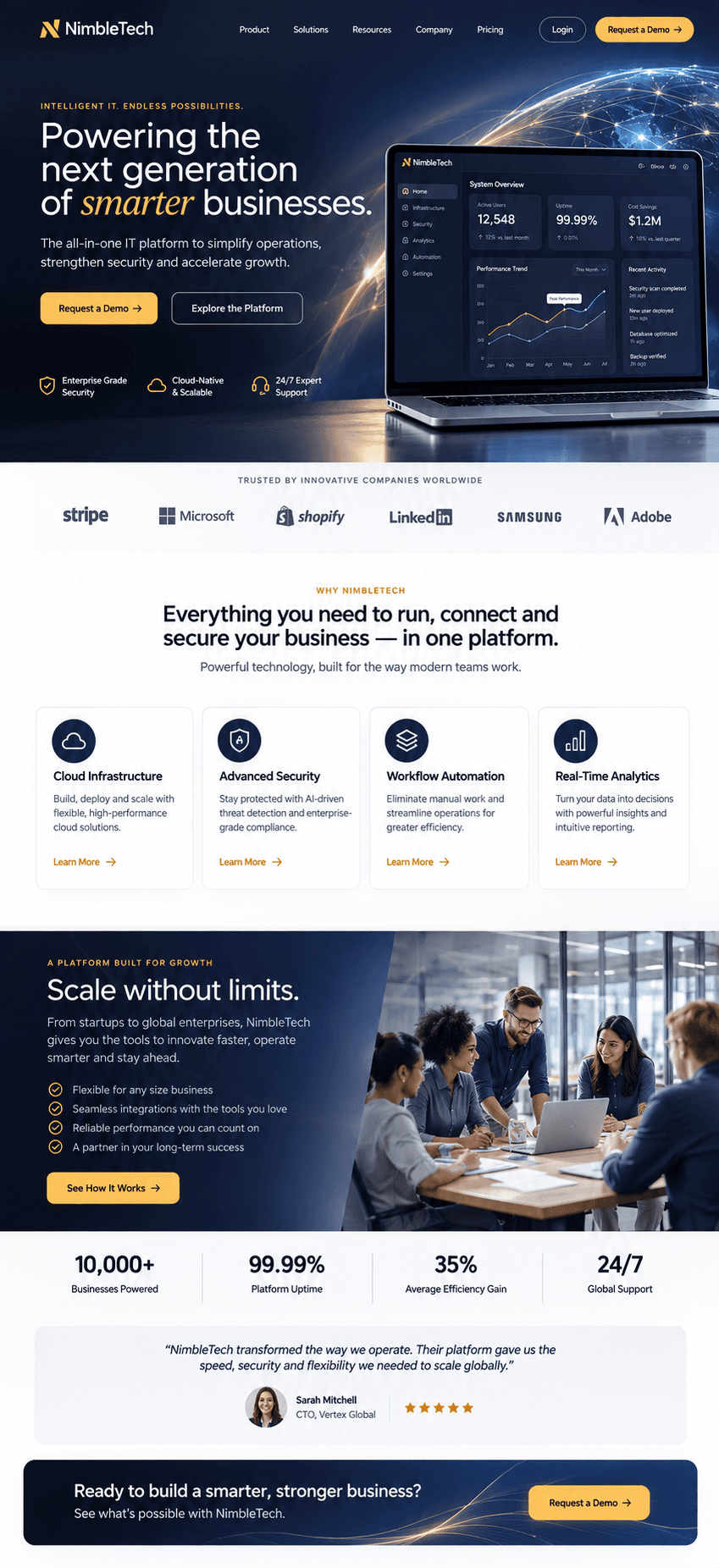
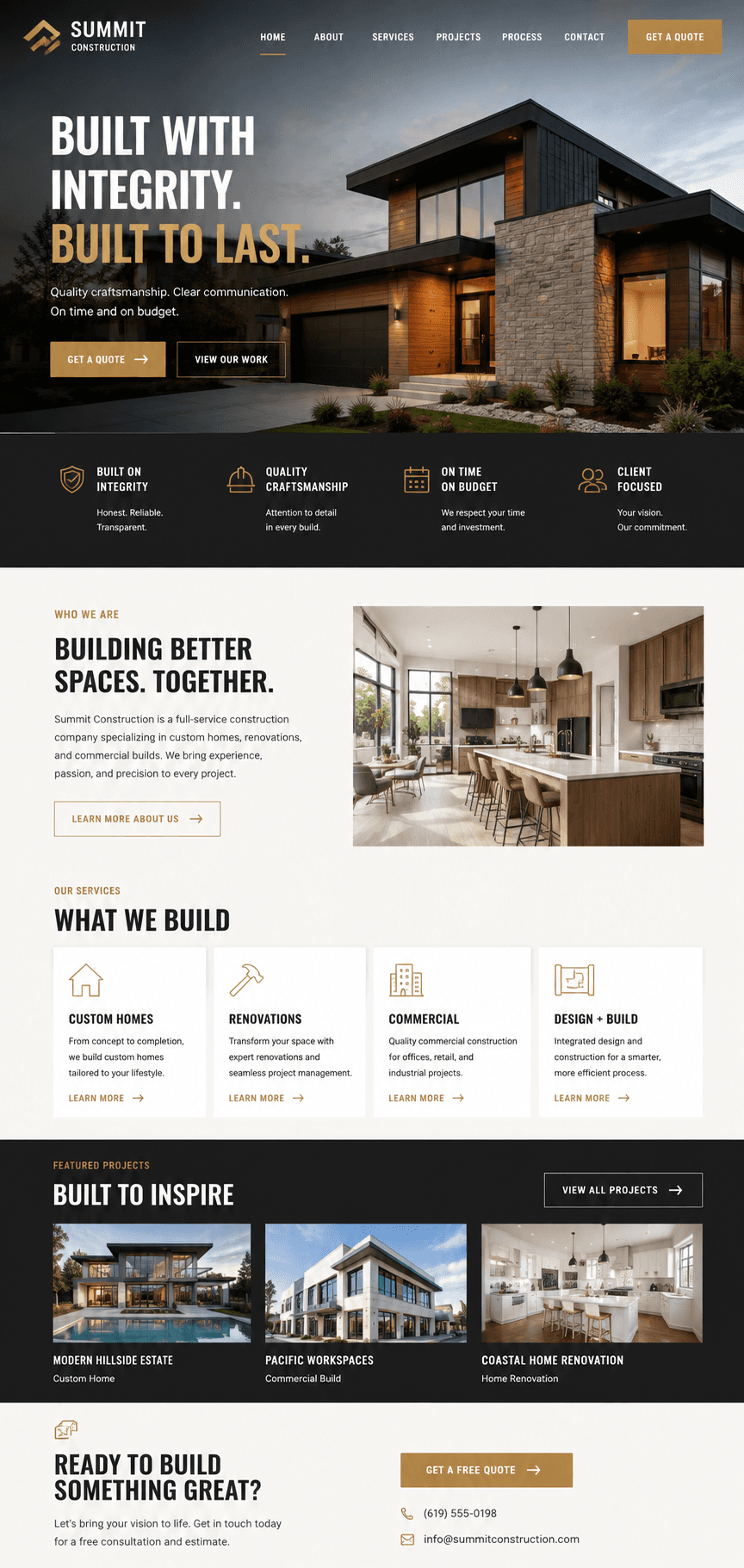
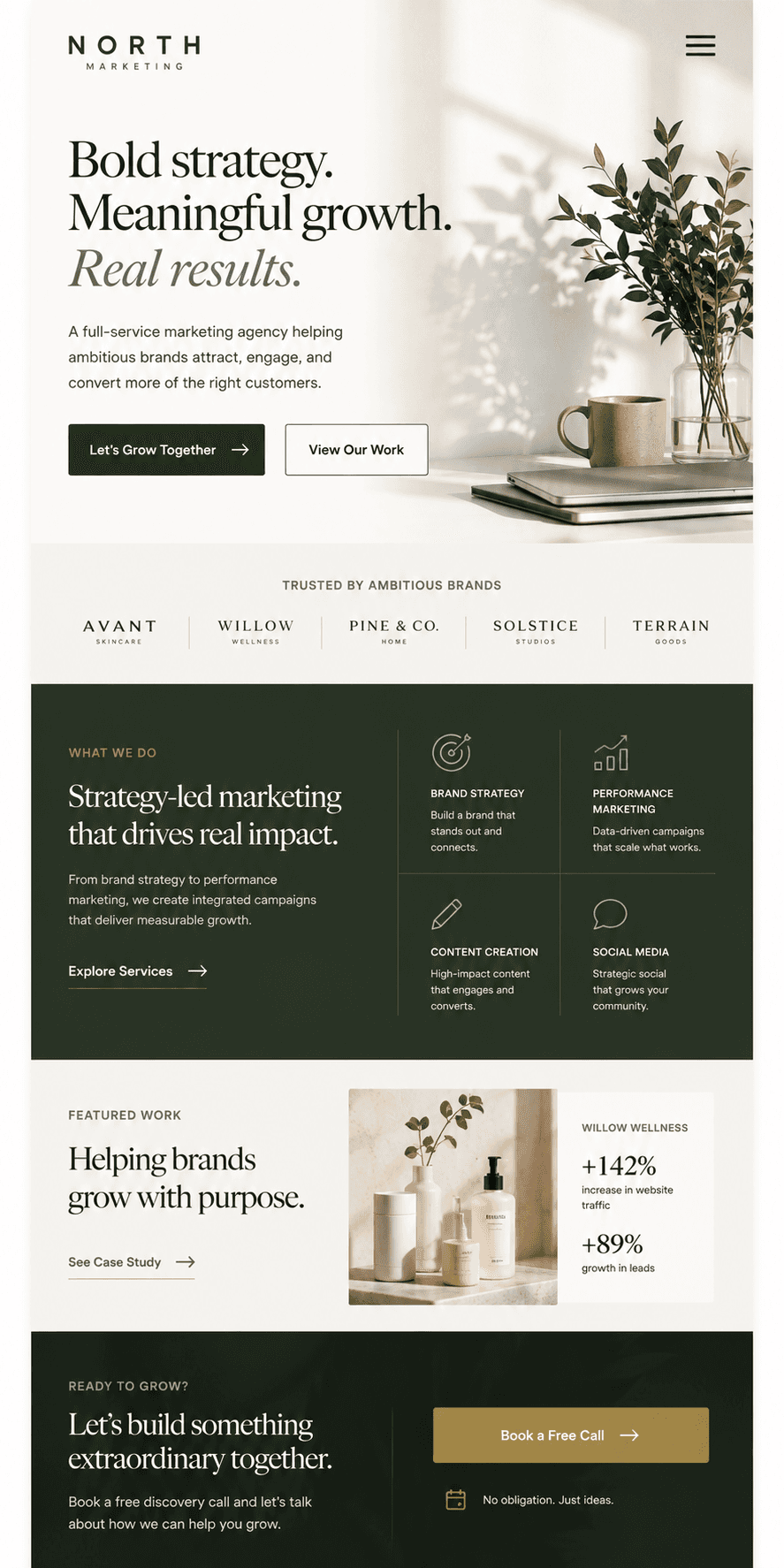
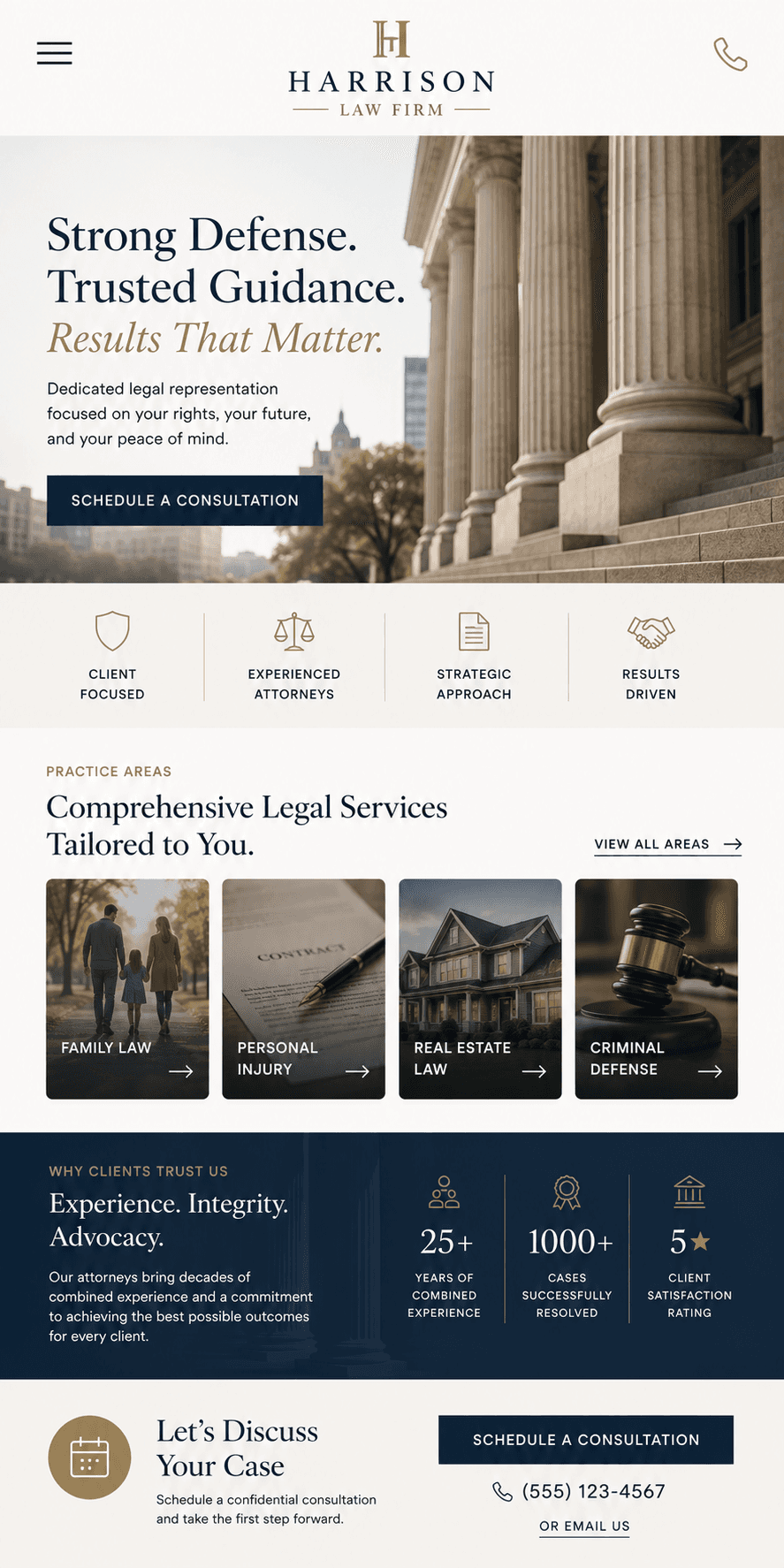
What Should a Small Business Website Include?
A successful small business website does not need dozens of pages. It needs the right information, presented clearly. Start with these 12 essential pages and features.

A small business website does not need to be enormous to be effective. In fact, a focused six-page website can often do a better job than a sprawling site filled with thin, repetitive pages.
The goal is to give potential customers enough information to understand what you do, decide whether you are a good fit and confidently take the next step.
1. A Clear Homepage
Your homepage should answer three questions quickly: What do you do? Who do you help? What should the visitor do next?
A strong homepage can introduce your primary services, communicate the main benefit of working with you, establish credibility and guide visitors toward deeper pages. It does not need to tell the entire story of the business.
2. Dedicated Service Pages
Do not make prospects hunt through one long page to understand everything you offer. Your most important services deserve dedicated pages where you can explain the problem, solution, process, deliverables and next step in more detail.
Dedicated service pages are also useful for search because they allow each core offering to have a focused topic and keyword target.
3. An About Page That Builds Trust
The About page should not be treated as a corporate biography. Visitors are usually reading it because they want to know who they would be working with and whether they trust the company.
Explain the experience, values and approach that matter to your clients. For founder-led businesses, a thoughtful personal introduction can make the company feel much more approachable.
4. A Strong Contact or Inquiry Page
The contact page should make the next step feel easy. Include the information a prospect genuinely needs and keep the form focused. Asking for too much information can make a first inquiry feel like an application.
If your process begins with a call, you can also include a booking calendar. If you need to qualify projects first, use a short inquiry form and follow up after reviewing the details.
5. Clear Calls to Action
Every important page should give the visitor a logical next step. That might be Schedule a Call, Request a Quote, View Our Work, Explore Services or Start Your Project.
Calls to action should be visually consistent and specific enough that visitors understand what will happen when they click.
6. Social Proof
People trust other people. Testimonials, case studies, recognizable client logos, reviews, results and credentials can all reduce uncertainty.
The best social proof is specific. A testimonial explaining how the process felt or what improved is generally more persuasive than a generic “Great company!” quote.
7. Portfolio, Case Studies or Examples
If your work can be shown visually or explained through outcomes, create a place for it. Even service businesses without a traditional portfolio can use case studies to explain the challenge, approach and result.
Prospects often want evidence that you understand businesses like theirs before they are ready to contact you.
8. Frequently Asked Questions
An FAQ can remove friction by addressing the questions prospects repeatedly ask before purchasing. Topics might include pricing, timelines, service areas, what is included, what the client needs to provide and what happens after the project begins.
FAQs are especially useful when the answers help qualify a lead or overcome a common objection.
9. Mobile-Responsive Design
Mobile responsiveness is not an optional extra. Your website should adapt intentionally across desktop, tablet and phone layouts.
Pay attention to font sizes, spacing, button placement, form usability, menu behavior and the order in which content appears. A layout that looks beautiful on a large monitor can become frustrating when stacked onto a phone without careful adjustments.
10. Basic SEO Foundations
A website should be set up so search engines can understand the content. At a minimum, each important page should have a descriptive title, useful meta description, logical heading structure, readable URL, optimized images and internal links where relevant.
These foundations do not replace an ongoing SEO strategy, but they prevent avoidable technical and structural problems at launch.
11. Fast, Reliable Performance
Visitors should not need to wait while oversized images, unnecessary scripts or complicated page effects load. Good performance begins during the build process with appropriate image sizes, thoughtful interactions and a clean technical setup.
Speed is also part of the overall user experience. A polished website should feel responsive as well as look polished.
12. A Simple Way to Keep the Website Updated
Your website will change after launch. You may need to update services, add team members, publish articles, change photos or create new projects.
A well-structured website anticipates those changes. Reusable components and CMS collections can make routine updates far easier and help the site stay visually consistent over time.
What Pages Does a Six-Page Business Website Usually Need?
For many service businesses, a strong starting structure is Home, About, Services, one or two key Service pages, and Contact. The exact mix depends on the business. A portfolio-heavy company might prioritize Work or Case Studies, while a business investing in content marketing may need a Blog or Resources section.
The important part is not reaching a particular page count. It is giving every page a clear job.
What Should You Add Later?
Once the core website is working well, you can expand strategically. Useful additions may include individual case studies, location pages, industry pages, additional service pages, downloadable resources, landing pages and ongoing blog content.
Build the foundation first, then add content based on real business goals rather than filling the navigation simply to make the site look bigger.
Keep the Website Focused on the Visitor
The most effective websites are built around the questions a potential customer is already asking: Can you solve my problem? Do you understand my situation? Can I trust you? What does the process look like? What should I do next?
When your pages answer those questions clearly, your website becomes much more than an online brochure.
Related Posts