How to Write Website Content That Actually Converts Visitors Into Customers
Good website content does more than describe your company. It helps the right visitor recognize their problem, understand your solution, trust your business and know exactly what to do next.

Writing about your own business can be surprisingly difficult. You know the services inside out, understand the industry terminology and could explain the work for hours in a conversation. Turning all of that knowledge into a few clear website sections is a completely different skill.
The strongest website content is not necessarily the cleverest or most impressive-sounding. It is the content that makes the business easy to understand and makes the next decision feel easy to take.
Start With the Visitor, Not the Company
A common mistake is beginning every page with the history, philosophy or credentials of the business. Those things can matter, but they are rarely the first question in a visitor’s mind.
The visitor is usually wondering: Am I in the right place? Can this company solve the problem I have? Is this service for someone like me? Can I trust them? What happens next?
Your content should answer those questions before asking the reader to care about the company story.
Make the First Screen Immediately Clear
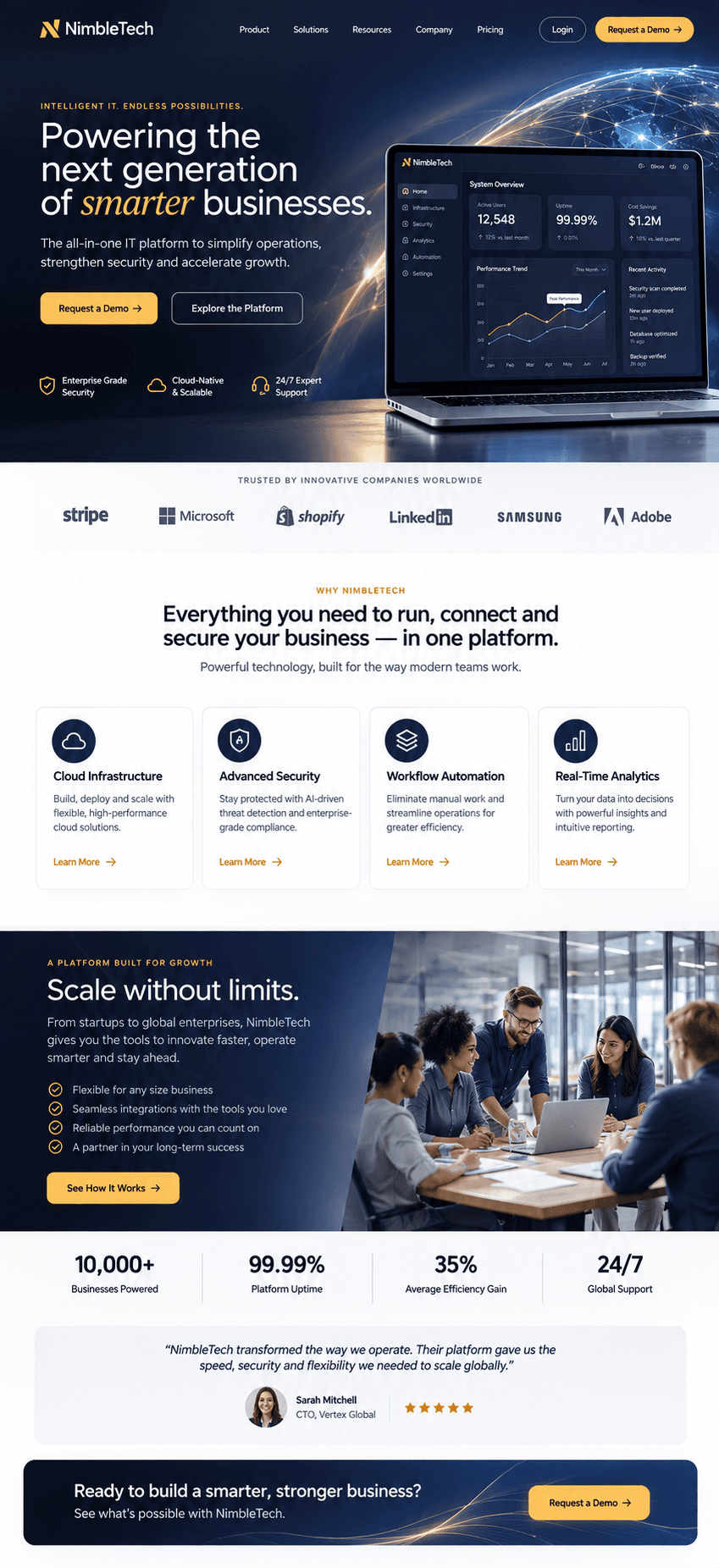
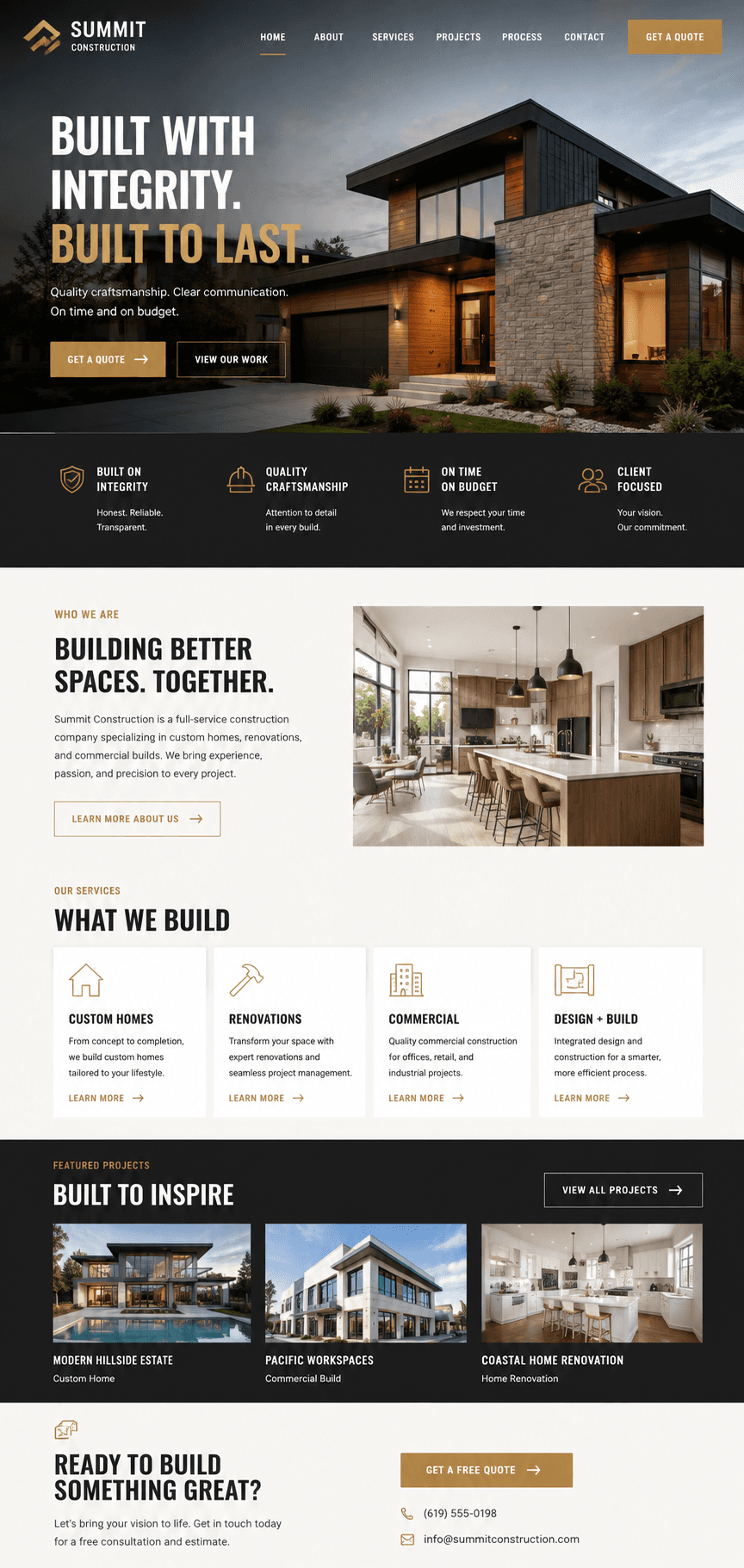
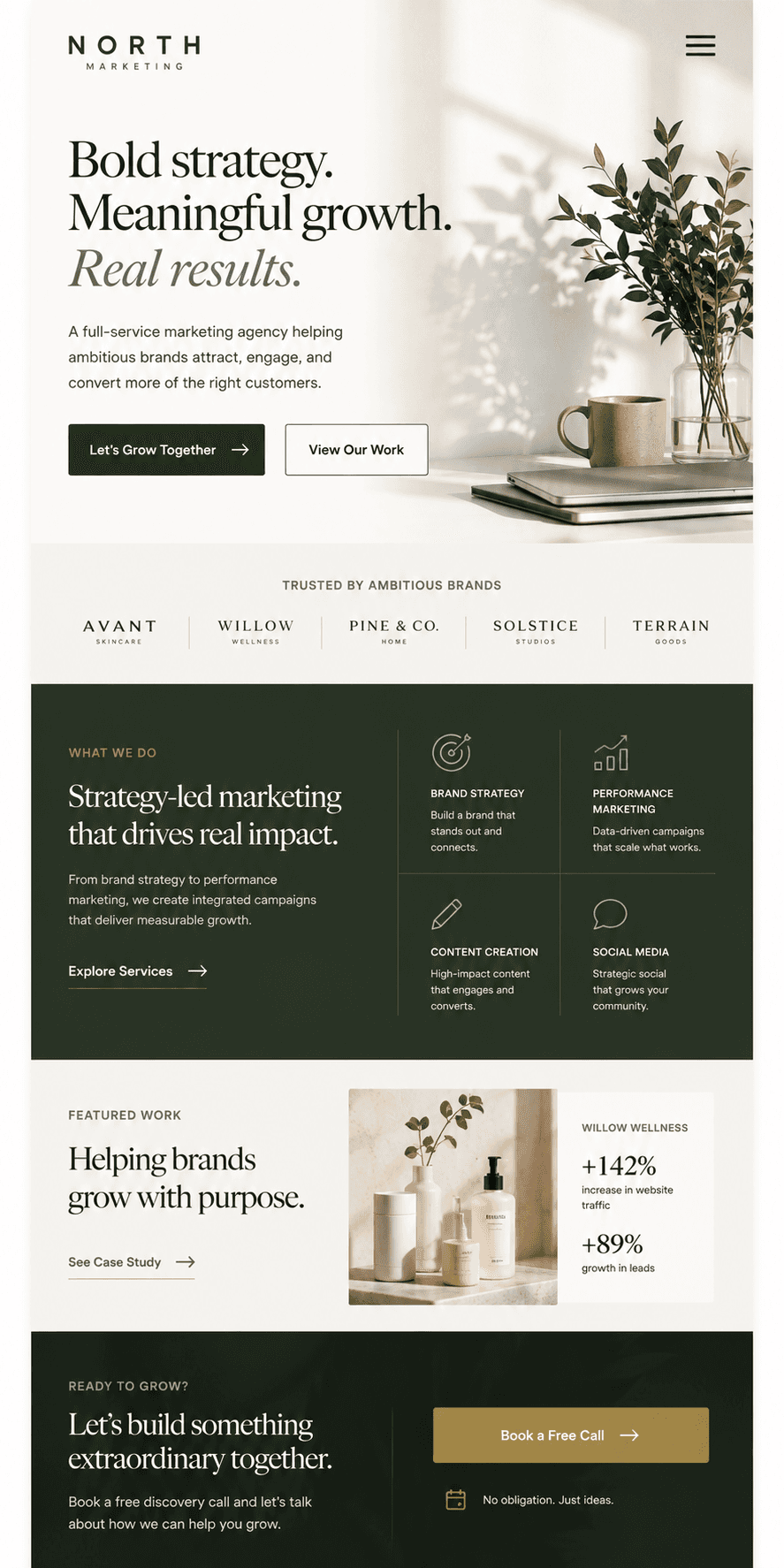
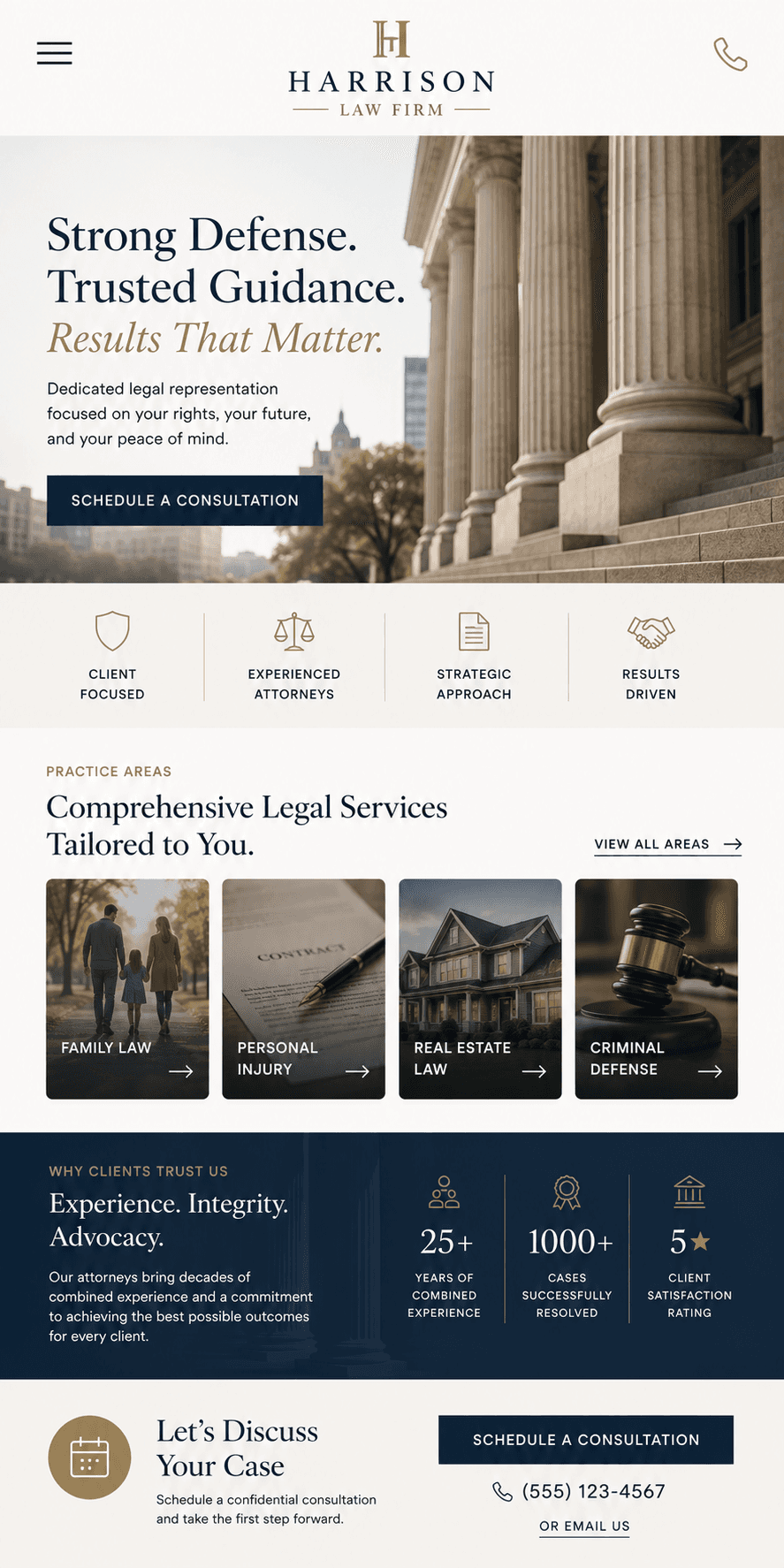
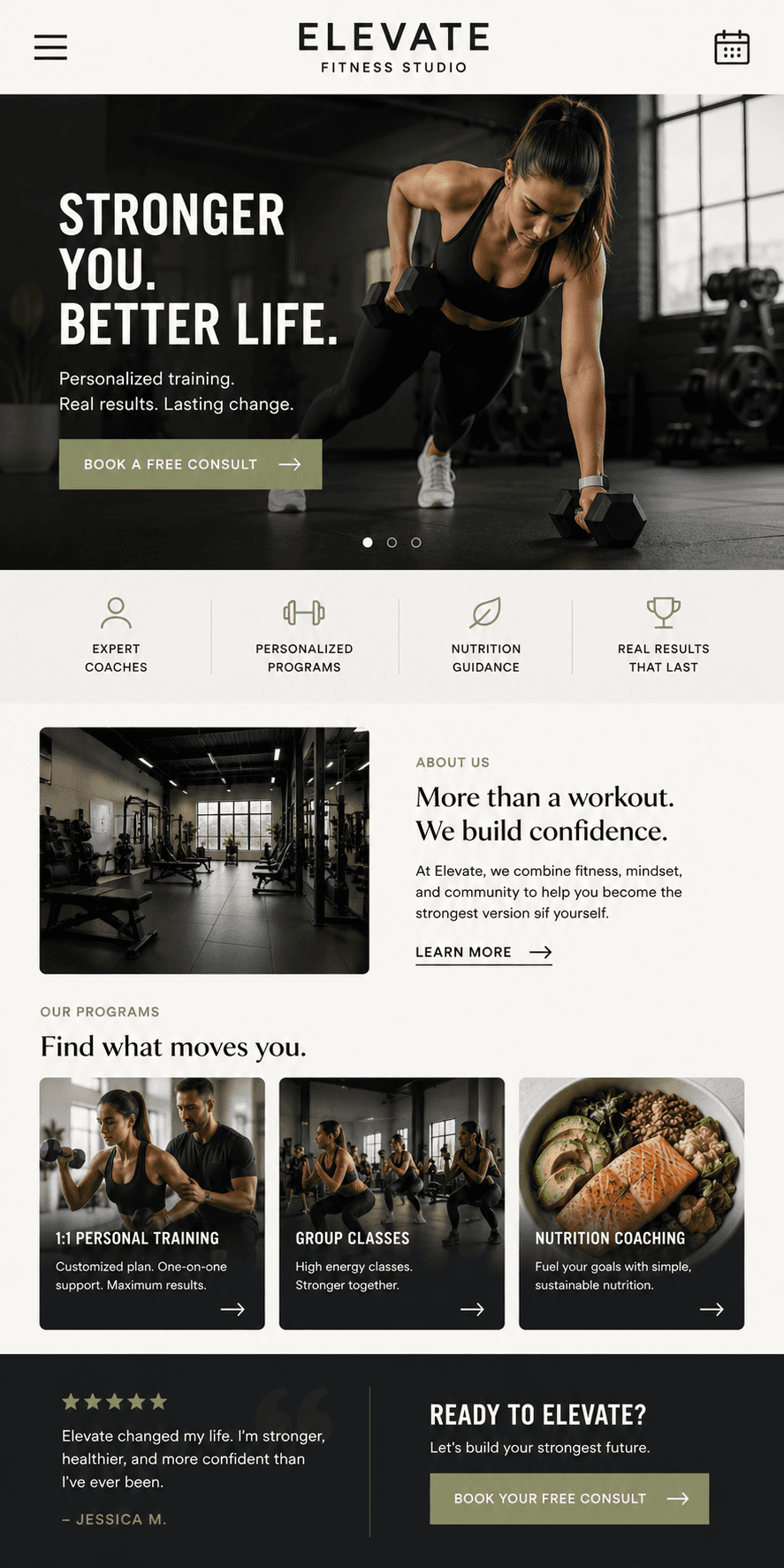
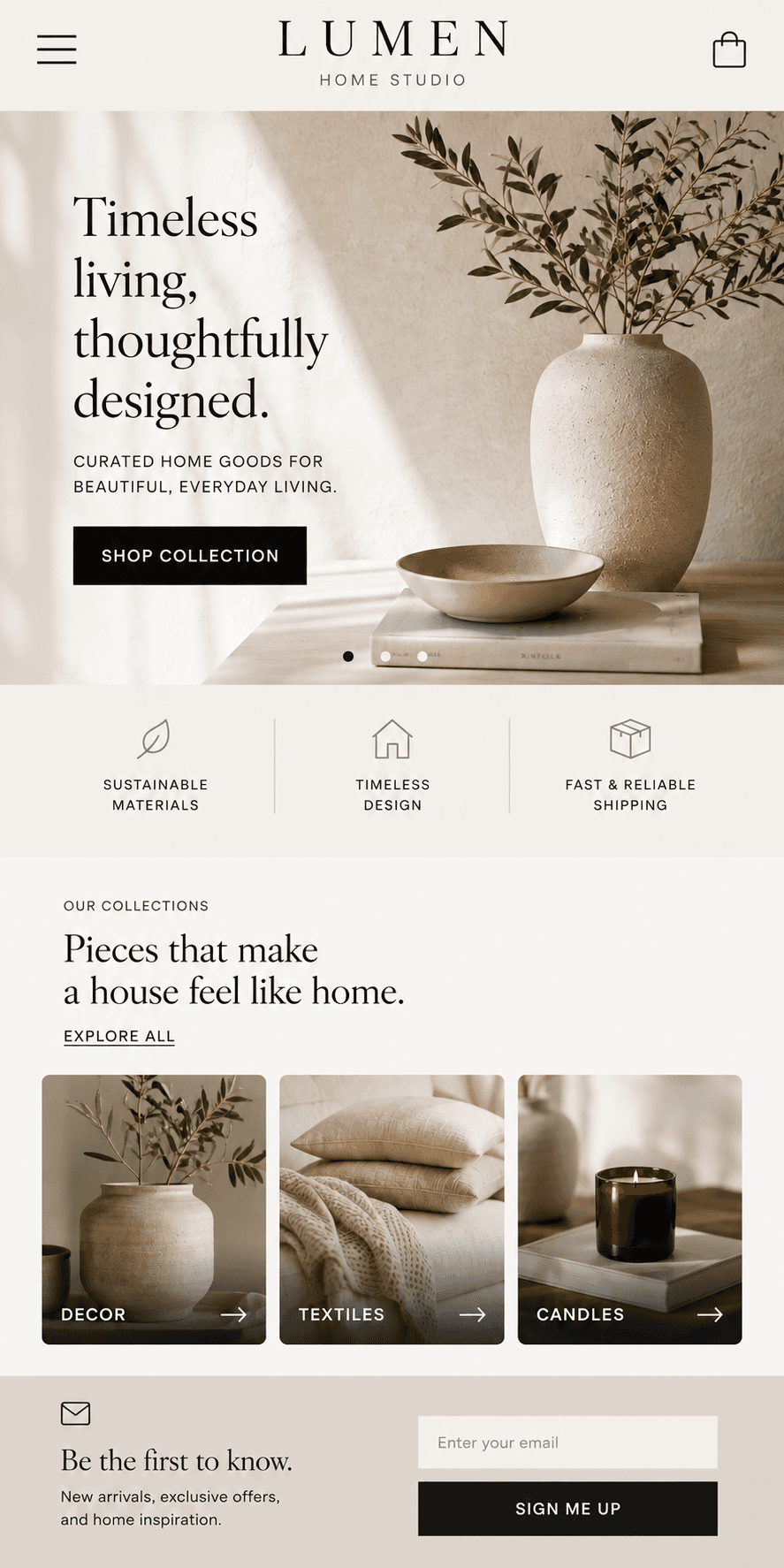
The top of a homepage should communicate the core offer without requiring the visitor to scroll through multiple sections. A useful hero section often includes a clear headline, one short supporting statement and a primary call to action.
Avoid headlines that sound attractive but say very little. “Elevate Your Possibilities” could apply to hundreds of businesses. “Custom Framer Websites for Service-Based Businesses” is less mysterious, but far more useful.
Write the Way Your Customers Think
Industry terminology is useful when your audience genuinely uses it. Otherwise, translate expertise into language the customer recognizes.
For example, a designer may think in terms of information architecture, responsive breakpoints and CMS schemas. A client is more likely to think, “I want people to understand what we do,” “I need the site to work properly on phones,” and “I want to update projects without calling a developer.”
Good website content connects those two worlds.
Focus on Benefits Without Becoming Vague
Features explain what is included. Benefits explain why the feature matters. Strong copy usually needs both.
Instead of only saying “Responsive website design,” explain the practical result: “Your website is intentionally designed across desktop, tablet and mobile so visitors get a polished experience on every screen.”
Specificity makes benefit-focused copy more credible.
Give Each Section One Job
A website becomes difficult to read when every section tries to communicate five ideas at once. Give each section a clear purpose.
One section might establish the problem. The next introduces the service. Another explains what is included. Another shows proof. Another addresses common questions. The page feels easier to follow because the reader is moving through a deliberate sequence.
Use Headings That Help People Scan
Most visitors do not read a webpage from the first word to the last. They scan headings, images, short paragraphs and highlighted phrases before deciding where to slow down.
Your headings should therefore communicate meaning even when read on their own. Replace vague headings such as “Our Difference” with something more informative, such as “A Website Your Team Can Actually Keep Updated.”
Keep Paragraphs Short
Website copy is not a printed report. Large walls of text feel heavier on a screen, particularly on mobile. Break longer ideas into shorter paragraphs and use lists when they genuinely make information easier to absorb.
Concise does not mean stripping away useful detail. It means making the detail easier to consume.
Answer the Questions That Delay a Purchase
Pay attention to the questions prospects ask in sales calls and emails. Those questions are some of your best website-content prompts.
If everyone asks how long the process takes, explain the timeline. If people are unsure what they need to provide, create a section about client responsibilities. If pricing varies, explain what affects it. If a misconception repeatedly appears, address it directly.
Every useful answer removes a small piece of uncertainty before the inquiry even begins.
Use Proof Near the Claims It Supports
If you say your process is easy, include a testimonial that mentions the experience. If you say you understand a certain industry, show a relevant project. If you say your work drives results, provide the strongest appropriate evidence you have.
Proof is more powerful when it appears close to the promise rather than living only on a separate testimonials page.
Write Calls to Action That Match the Stage of the Page
Not every call to action needs to say Contact Us. Someone early in their research may be more comfortable viewing services or browsing work. A visitor who has reached the bottom of a detailed service page may be ready to schedule a call or start an inquiry.
Use calls to action that reflect what the visitor is likely ready to do at that point.
Do Not Write for Search Engines at the Expense of People
SEO matters, but repeating an exact keyword in every paragraph makes content awkward and unconvincing. Choose a clear topic for each page, use natural variations of the language customers search for and cover the subject thoroughly enough to be genuinely useful.
Search-friendly content and human-friendly content should not be competing goals.
Edit More Than You Write
The first draft is where you get the ideas onto the page. The editing stage is where strong website copy is created.
Look for repeated ideas, long introductions, unnecessary adjectives, jargon and sentences that could be said more simply. Then check whether every section contributes something the visitor needs.
What If You Hate Writing About Your Own Business?
You do not have to begin with a blank document. Voice notes, existing proposals, sales emails, discovery calls, old website copy and rough bullet points can all provide excellent source material.
A content specialist can take that raw expertise and shape it into website-ready messaging while keeping the final language grounded in how you actually speak about the business.
Good Website Content Takes the Pressure Off the Visitor Too
Clear content does not pressure people into buying. It removes the work required to understand the offer. The right visitor can quickly see what you do, why it is relevant, what working with you looks like and what to do next.
That clarity is what allows design, content and strategy to work together.
Related Posts